Expert Speech Therapy Home Sessions Available Pediatric & Adult Care 24/7 Appointment Booking
- info@speechrehabclinic.com
- Huma Plaza, Blue Area, Islamabad
- Call Us:
- +92 336 7121307

Saliva/Drooling Issues
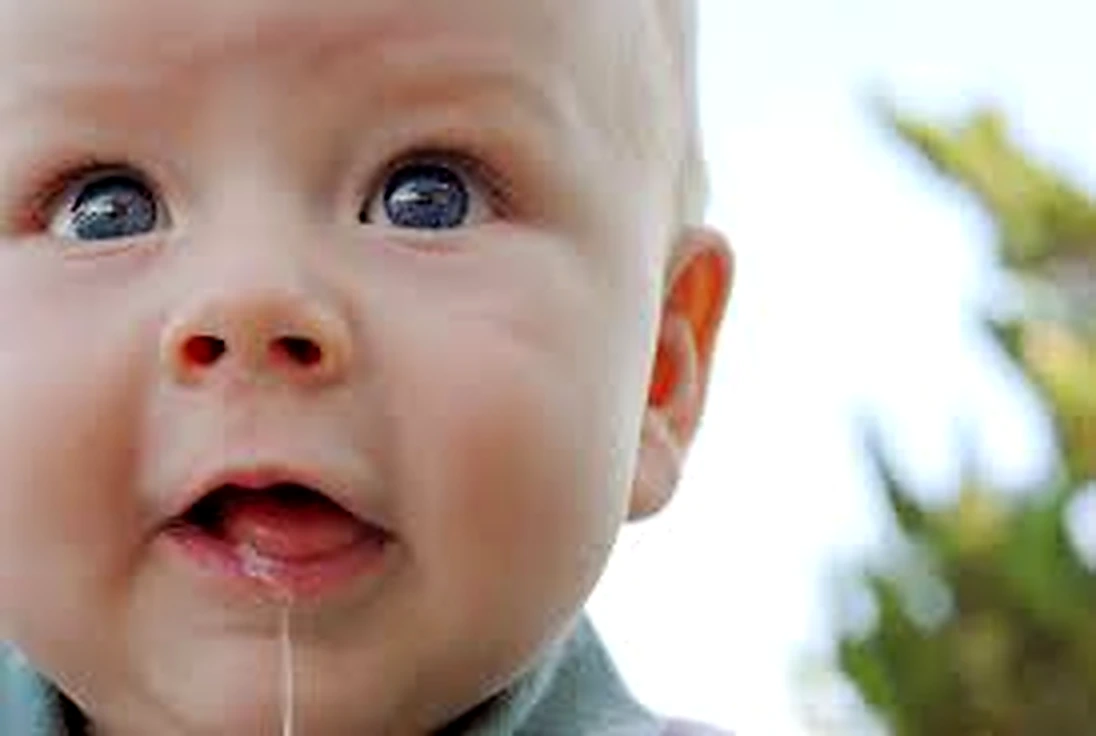
Drooling – When Saliva Control Affects More Than Just Cleanliness
Drooling, or sialorrhea, is the unintentional loss of saliva from the mouth. While occasional drooling is normal in infants, persistent drooling beyond the age of 4-5 may indicate oral motor or neurological problems. It often affects children with developmental delays, cerebral palsy, Down Syndrome, or other neuromuscular conditions – but it may also occur in children who have low muscle tone or delayed speech development.
Drooling is not just a physical issue; it can impact a child’s self-esteem, social interaction, and speech clarity, especially when saliva interferes with mouth movements.
Causes of Persistent Drooling
- Poor lip closure or weak mouth muscles
- Inability to feel saliva pooling
- Poor head and body posture
- Difficulty swallowing (oral phase dysphagia)
- Delayed oral-motor coordination
- Neurological conditions affecting motor control
Children who drool may also have trouble speaking clearly, eating neatly, or keeping their faces clean – all of which affect social confidence and communication.
How Speech Therapy Helps
Speech therapy is often the first line of treatment for drooling issues. Our approach at Speech Rehab Clinic includes:
- Oral motor exercises to strengthen lips, tongue, and jaw
- Posture and head control training
- Swallowing techniques to help manage saliva flow
- Sensory awareness activities to improve mouth and lip control
- Coordination of breath and speech for better clarity
- Collaboration with doctors if medication or further medical treatment is needed
With time, consistency, and support from family, many children show noticeable improvements in drooling control and related speech issues.
Drooling isn’t just a mess it’s a sign your child may need speech and motor support. At Speech Rehab Clinic, we help children gain control, comfort, and confidence step by step.