Expert Speech Therapy Home Sessions Available Pediatric & Adult Care 24/7 Appointment Booking
- info@speechrehabclinic.com
- Huma Plaza, Blue Area, Islamabad
- Call Us:
- +92 336 7121307

Pediatric Physical Therapy Services in Islamabad / Rawalpindi
Personalized
Child Physiotherapy,
Where and When
You Need It
Struggling with movement or daily pain? You don’t have to live with it.
At Speech Rehab Clinic, our physiotherapy services help people of all ages, from children recovering after injuries to adults dealing with pain, stiffness, or post-surgery recovery. You can visit our clinic, book home sessions, or get hospital-based therapy, depending on your comfort and condition. Our goal is always the same: to restore strength, improve movement, and help you live pain free.
95% Patient Satisfaction Rate
Our clients consistently report positive outcomes and experiences.
Our qualified therapists begin with a detailed assessment that looks at your lifestyle, daily activities, and recovery goals. Based on that, they create a personalized treatment plan using proven techniques such as manual therapy, mobility training, therapeutic exercises, and electrotherapy. Every session focuses on visible progress and gradual, safe recovery.
We treat conditions like back and neck pain, joint stiffness, posture problems, arthritis, sports injuries, stroke recovery, and nerve-related mobility issues. Since every patient is unique, our approach is always customized to ensure comfort, safety, and long-lasting results.
Physiotherapy is not just about exercises. It’s about building trust, staying consistent, and moving forward with confidence. Whether you are healing after an injury or managing a chronic condition, we are here to support you with care that truly makes a difference.
🗓️ Book your child’s physiotherapy session today in clinic, at home, or in a hospital setting and take the first step toward a stronger, pain free life.
• Conditions WE TREAT
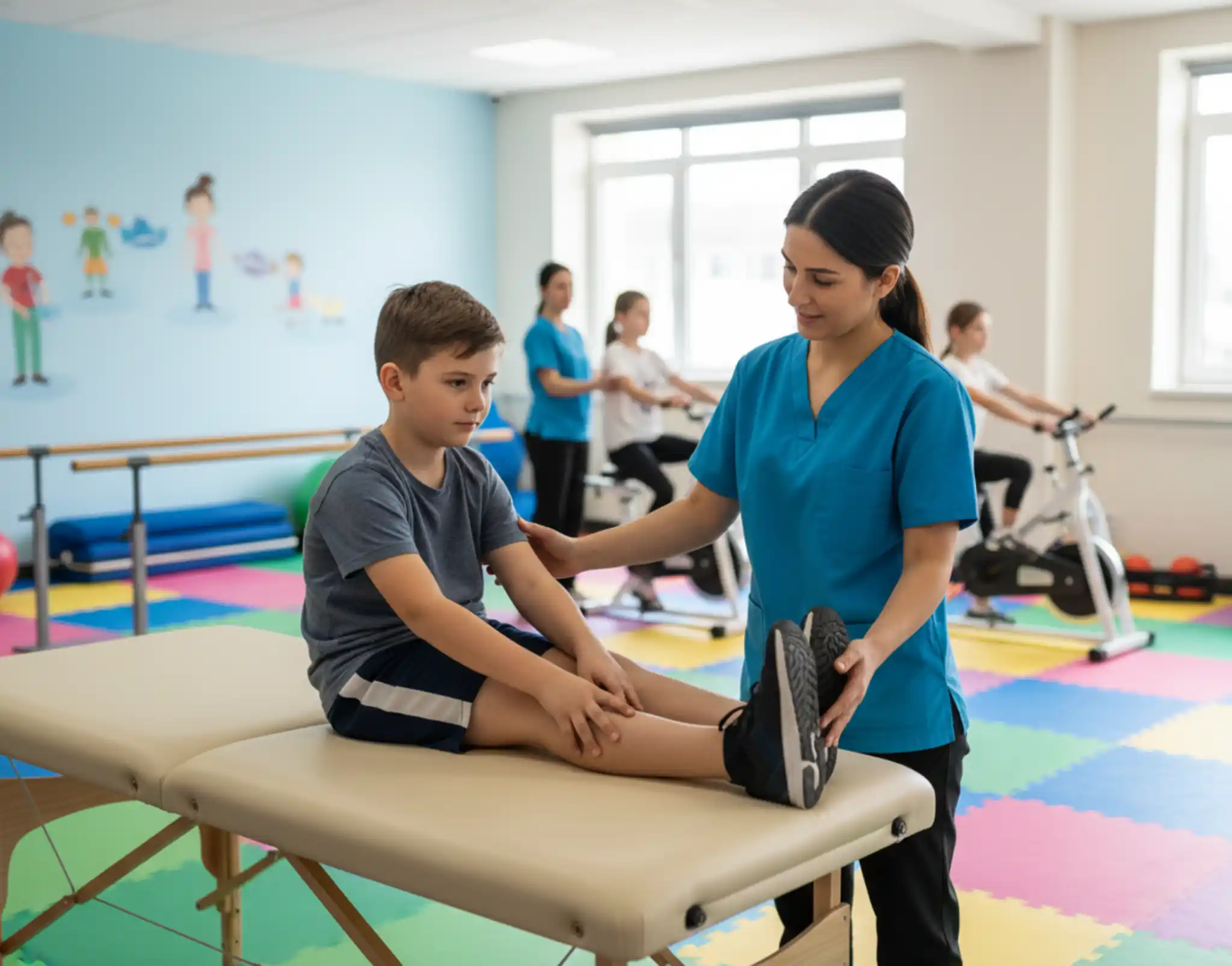
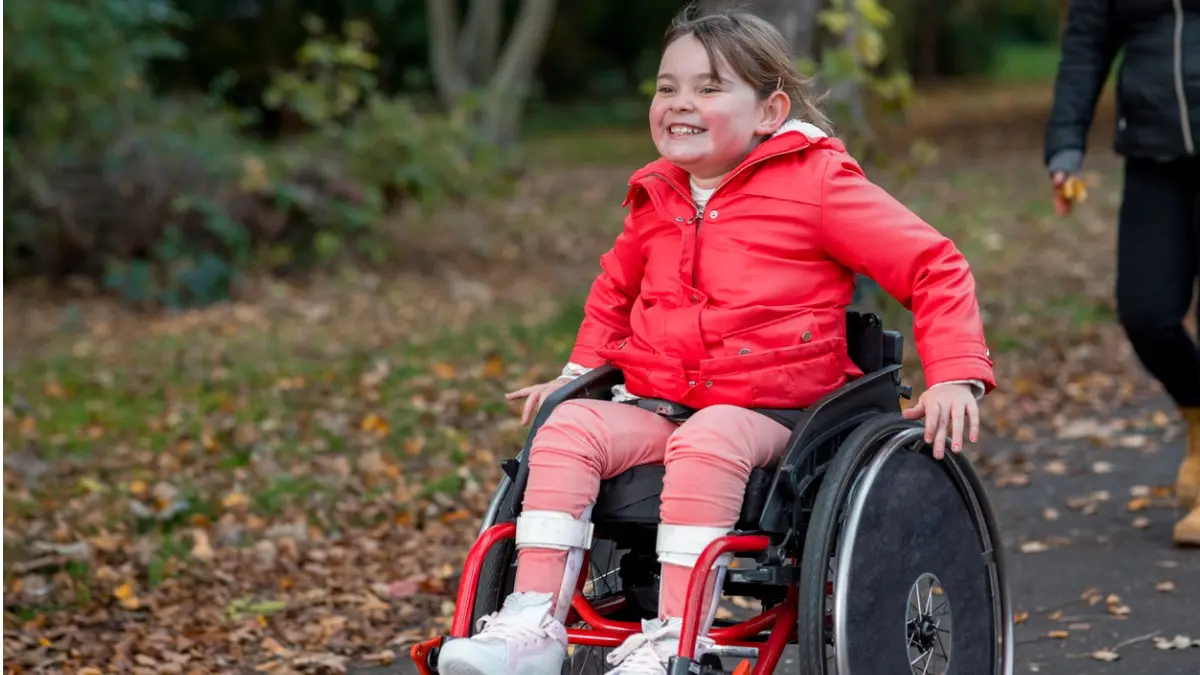
Let’s assess your child’s condition and improve their strength with trusted pediatric physiotherapy care
Cerebral Palsy (CP)
Developmental Delay (Gross Motor)
Muscular Dystrophy
Spina Bifida
Torticollis (Wry Neck)
Clubfoot (Talipes Equinovarus)
Brachial Plexus Injury
Hypotonia
Toe Walking
Gait Abnormalities


Cerebral Palsy (CP)


Developmental Delay (Gross Motor)

Muscular Dystrophy
Spina Bifida

Torticollis (Wry Neck)

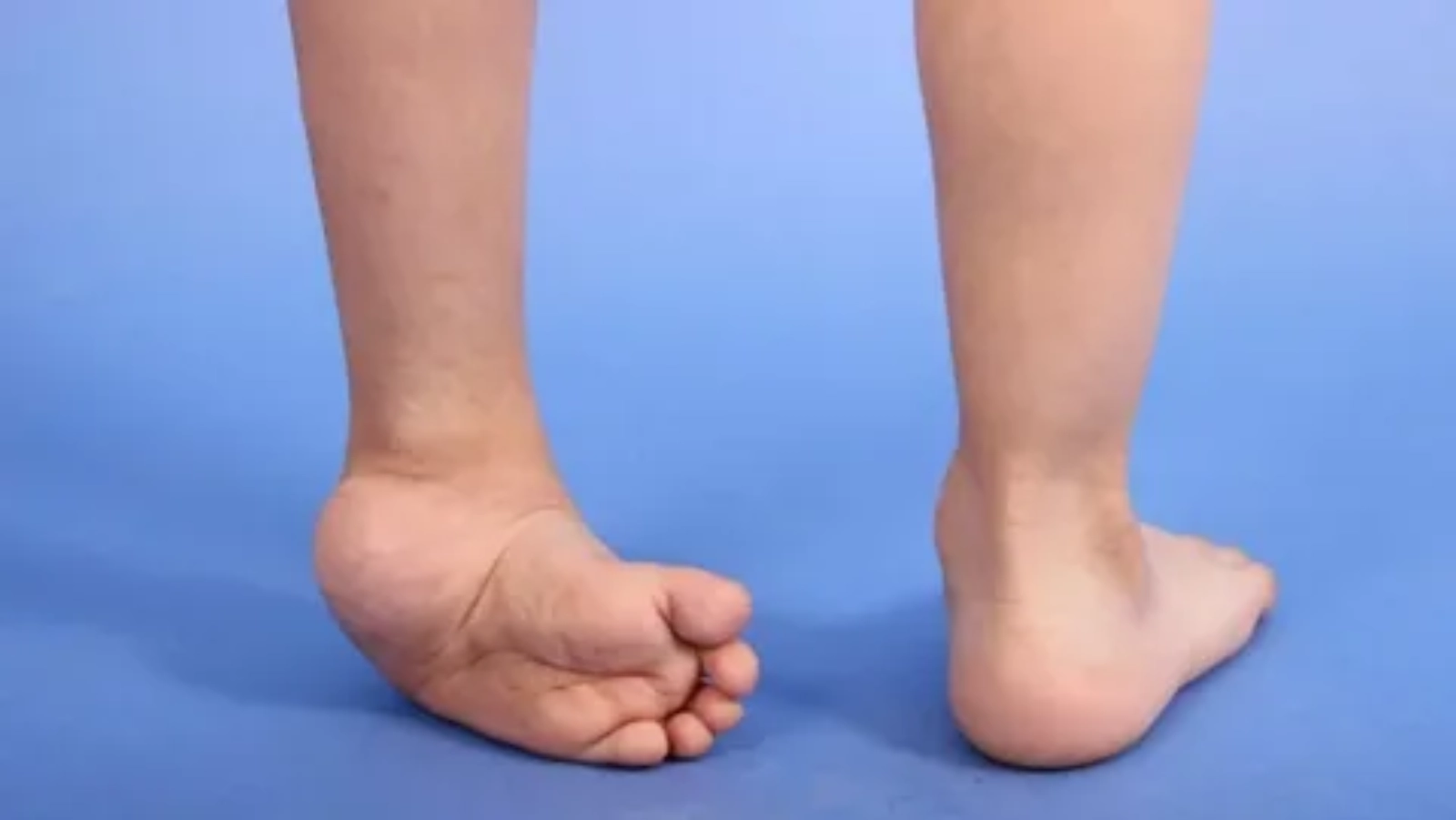
Clubfoot (Talipes Equinovarus)

Brachial Plexus Injury

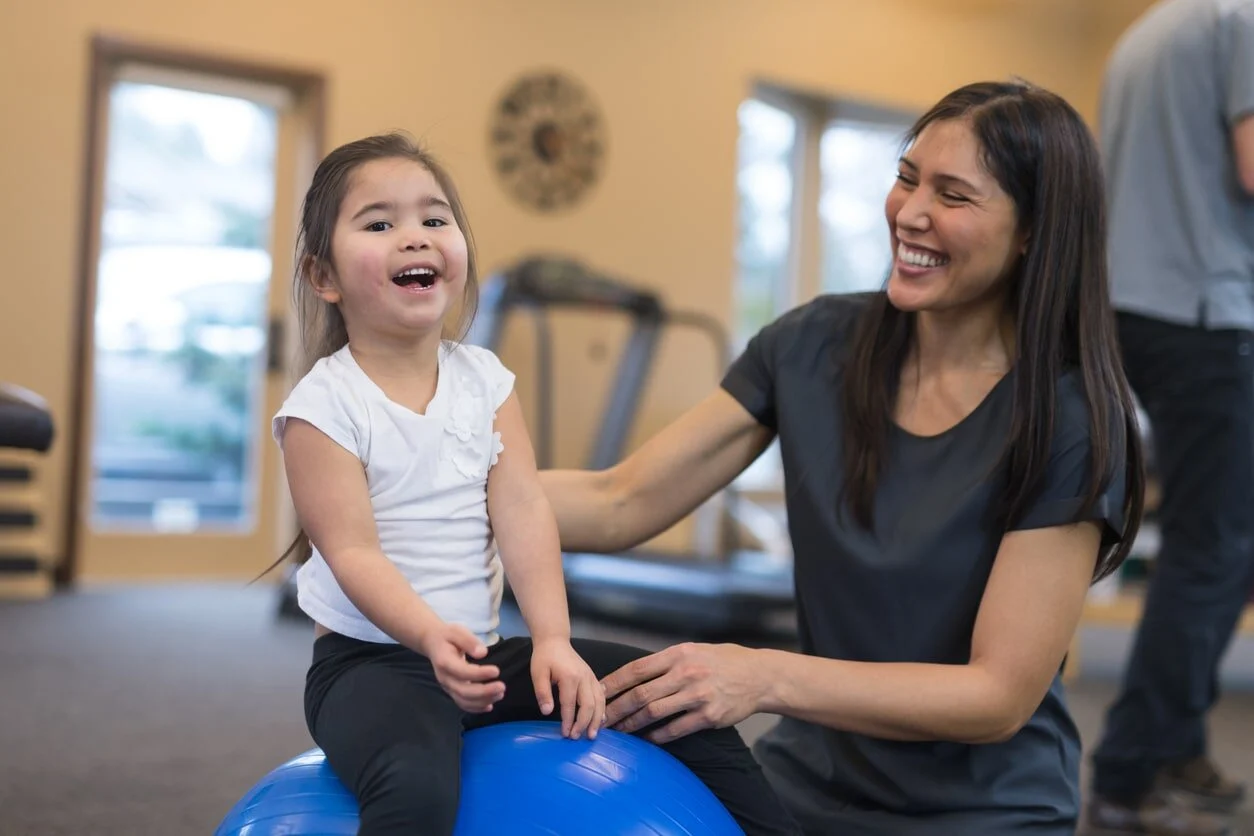
Hypotonia


Toe Walking

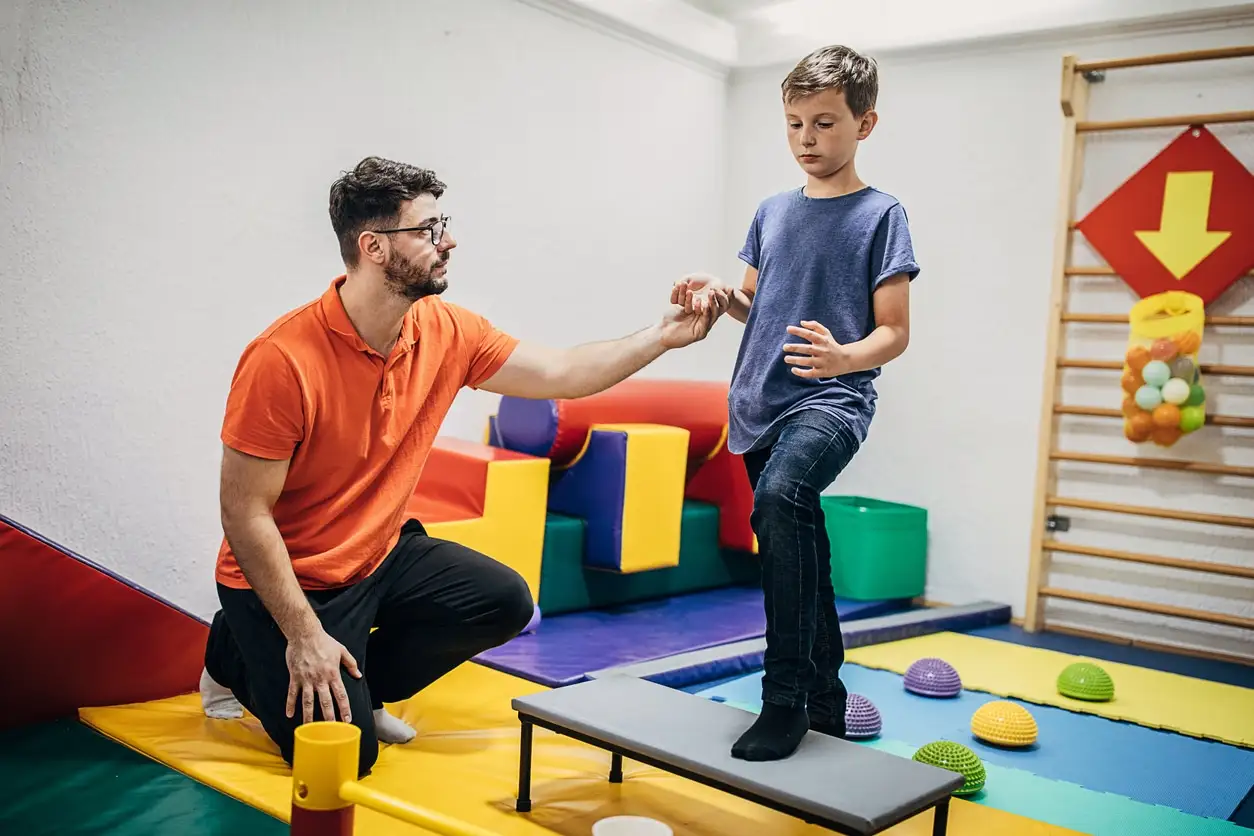
Gait Abnormalities

" Confused about what's going on? We'll figure it out together "
Not Every Body Limitation Lasts Forever, Progress Starts with Therapy
Every recovery begins with a small step. Whether it’s limited movement, muscle weakness, or slow progress, remember improvement is always possible. Our physiotherapists carefully assess each individual’s needs to restore strength, mobility, and confidence at their own pace. You don’t have to wait for the perfect diagnosis; sometimes, the first session is where real progress begins.
How We Deliver
BOOK YOUR
APPOINTMENT
We are just call away

Home Session
We provide therapy at your home in a calm, familiar space. This option suits children who feel more comfortable at home and patients who avoid travel. We guide the family during the session and share simple home practice so you keep progress going between visits in Islamabad and Rawalpindi.
Online Session
We run therapy through video call so you continue treatment from anywhere. We assess your needs, lead guided exercises, and explain the next steps in clear language. This option suits busy schedules, out of city families, and anyone who wants consistent support without coming to the clinic.
Clinic Appointment
For those who prefer a structured clinical setup, our centers in Islamabad & Rawalpindi offer professional therapy rooms, dedicated equipment, and in-person guidance from experienced therapists, ensuring precision and privacy in every session.
Hospitalized Patient Session
If you or your loved one is hospitalized, don’t let therapy stop. We provide specialized speech rehabilitation support in hospitals helping stroke patients, ICU discharges, or injury-recovering individuals regain their voice and confidence, even from the bedside.
“Even if you’re not ready to book, we understand you.”
Talk to therapist before booking. Call Us: 0336 7121307
It’s Not Just Therapy, It’s the Path to Independence
At our Physiotherapy Department, we understand that every movement tells a story of effort, patience, and hope. Limited mobility affects more than just the body; it influences confidence, emotions, and the ability to live life freely.
Our physiotherapy isn’t only about guided exercises. It’s about rebuilding strength, restoring balance, and bringing back the confidence to walk, play, and participate in daily life. Whether it’s helping a child reach developmental milestones or supporting an adult on the road to recovery, we focus on long-term progress and independence.
- Restores strength, balance, and coordination
- Encourages active and confident living
- Supports emotional and physical growth together
Parent's Note
“I used to think physiotherapy was just about exercises. But for my son, it became the reason he started walking with confidence again. He can now climb stairs on his own, play with his friends, and smile without fear of falling. Seeing him move freely feels like getting our life back, one step at a time.”
Ayesha Khalid | Rawalpindi
Follow Us

Still Have Doubts?
• faqs
Your Child Physiotherapy questions answer with clarity
- Answers to Your Recovery Questions
My child is not walking or sitting like other kids. Can physiotherapy really help?
Yes, physiotherapy can make a big difference. It helps strengthen your child’s muscles, improve balance and teach proper movement patterns so your child can sit, stand and walk more confidently. The earlier therapy begins, the faster your child can reach important milestones.
My child keeps falling or walks on toes. Is it normal or a sign of a problem?
Some children do outgrow toe walking or frequent falling, but if it continues after age two, a physiotherapist should check it. Early sessions can correct walking patterns and prevent long-term muscle tightness or balance issues.
Do we need a doctor’s diagnosis before starting physiotherapy?
No, you can start even without a formal diagnosis. If you notice delays or unusual movement patterns, a physiotherapist can assess your child and recommend exercises or therapy to improve their mobility.
How long will my child need therapy to see improvement?
It depends on the child’s age, condition and how regularly therapy is continued at home. Some children improve within a few weeks; others need ongoing sessions. Consistency is key progress builds step by step.
What should parents do at home to support the therapy?
Follow the home plan your therapist gives, practice small exercises daily, give your child safe space to move, and stay patient. Parents’ active involvement helps children achieve results much faster.