Expert Speech Therapy Home Sessions Available Pediatric & Adult Care 24/7 Appointment Booking
- info@speechrehabclinic.com
- Huma Plaza, Blue Area, Islamabad
- Call Us:
- +92 336 7121307

Emotional Dysregulation
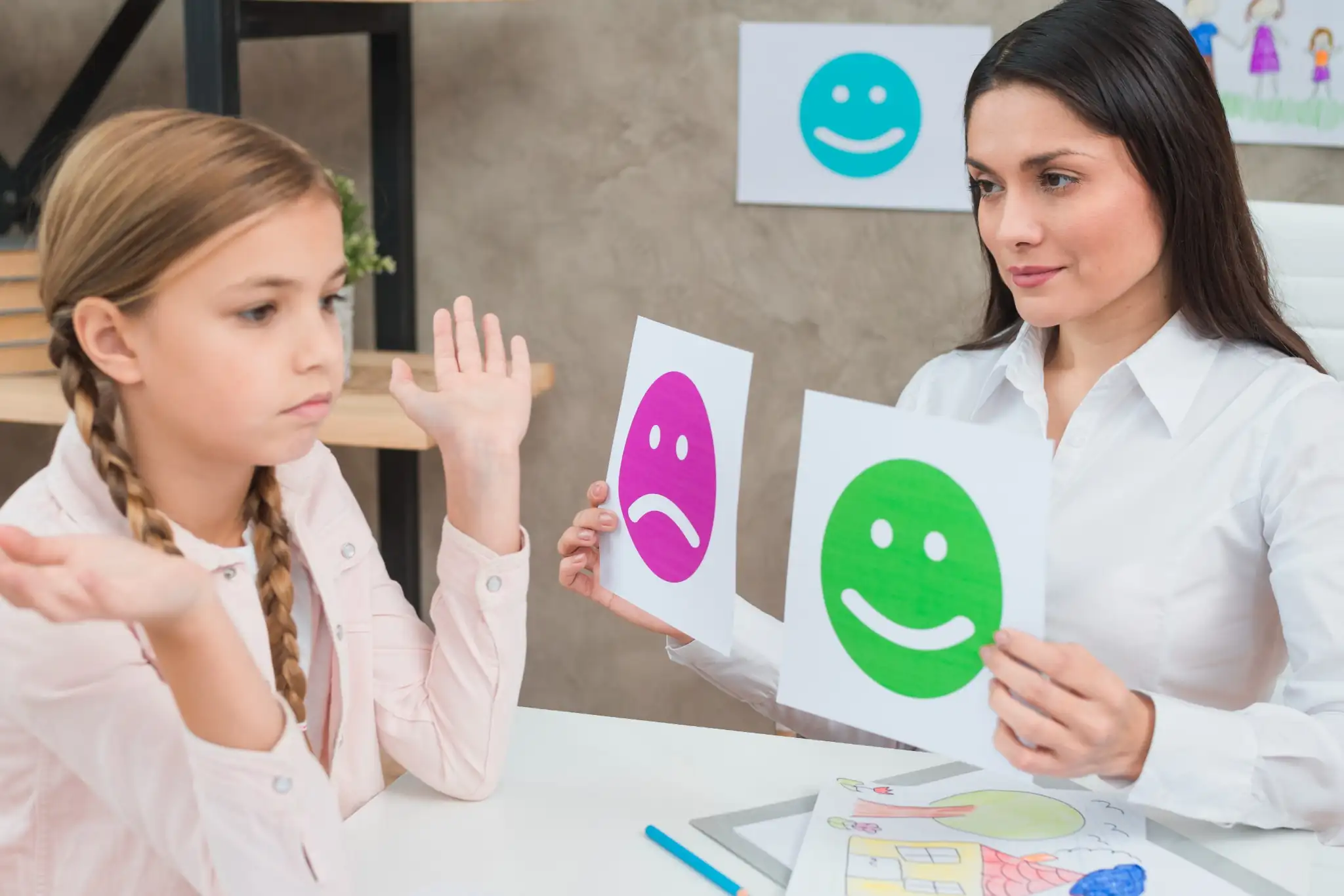
Helping Children Regain Control Over Big Feelings
Emotional dysregulation refers to a child’s struggle to recognize, express, and manage strong emotions in socially acceptable ways. These children often feel overwhelmed by their feelings and may react with tantrums, outbursts, aggression, withdrawal, or impulsivity.
It is commonly seen in children with:
- ADHD
- Autism Spectrum Disorder
- Anxiety or mood disorders
- Trauma or attachment issues
Signs of emotional dysregulation include:
- Sudden mood swings without clear triggers
- Excessive reactions to minor frustrations
- Difficulty calming down once upset
- Frequent crying, yelling, or physical aggression
- Trouble understanding others’ emotions
Without support, emotional dysregulation can impact academic success, peer relationships, and family dynamics. These children may be misunderstood as “naughty” or “overly sensitive,” which worsens their self esteem.
Psychological therapy can help by:
- Teaching emotional awareness and labeling feelings
- Building coping strategies like deep breathing or distraction
- Improving social skills and communication
- Empowering parents with positive behavior strategies
- Using CBT or DBT (Dialectical Behavior Therapy) techniques
- Children learn to better navigate