Expert Speech Therapy Home Sessions Available Pediatric & Adult Care 24/7 Appointment Booking
- info@speechrehabclinic.com
- Huma Plaza, Blue Area, Islamabad
- Call Us:
- +92 336 7121307

Hearing & Audiology Services in Islamabad / Rawalpindi
Expert
Hearing Care,
Where and When
You Need It
Struggling with hearing loss or communication difficulties? You don’t have to live with it.
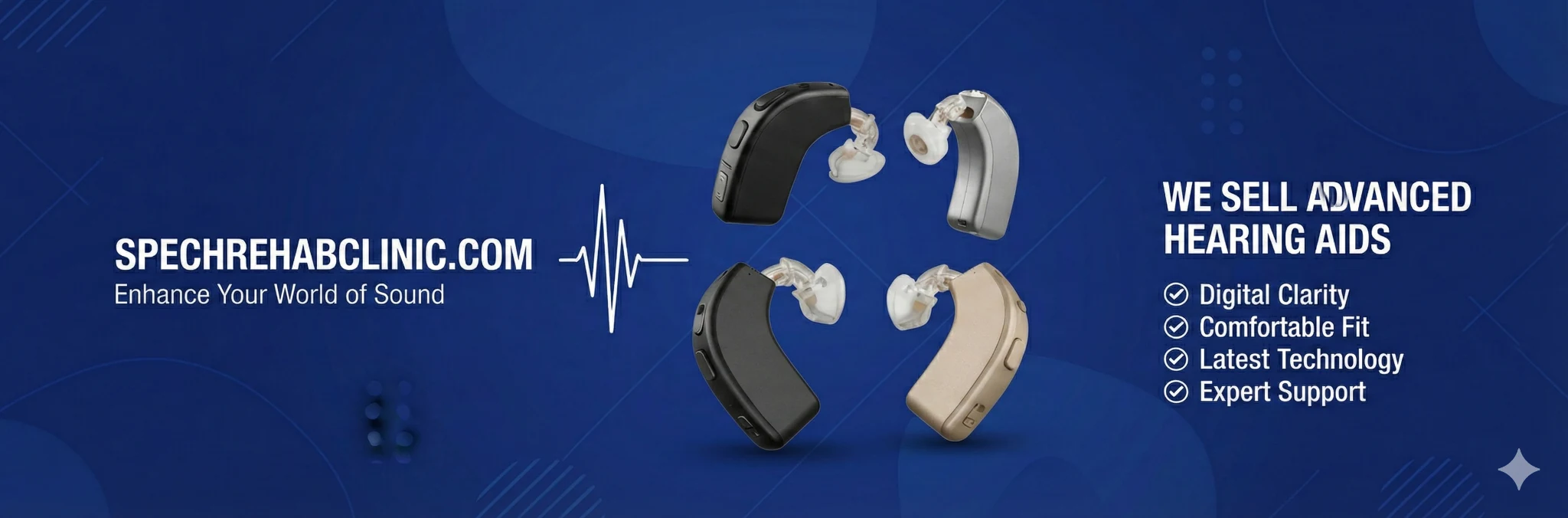
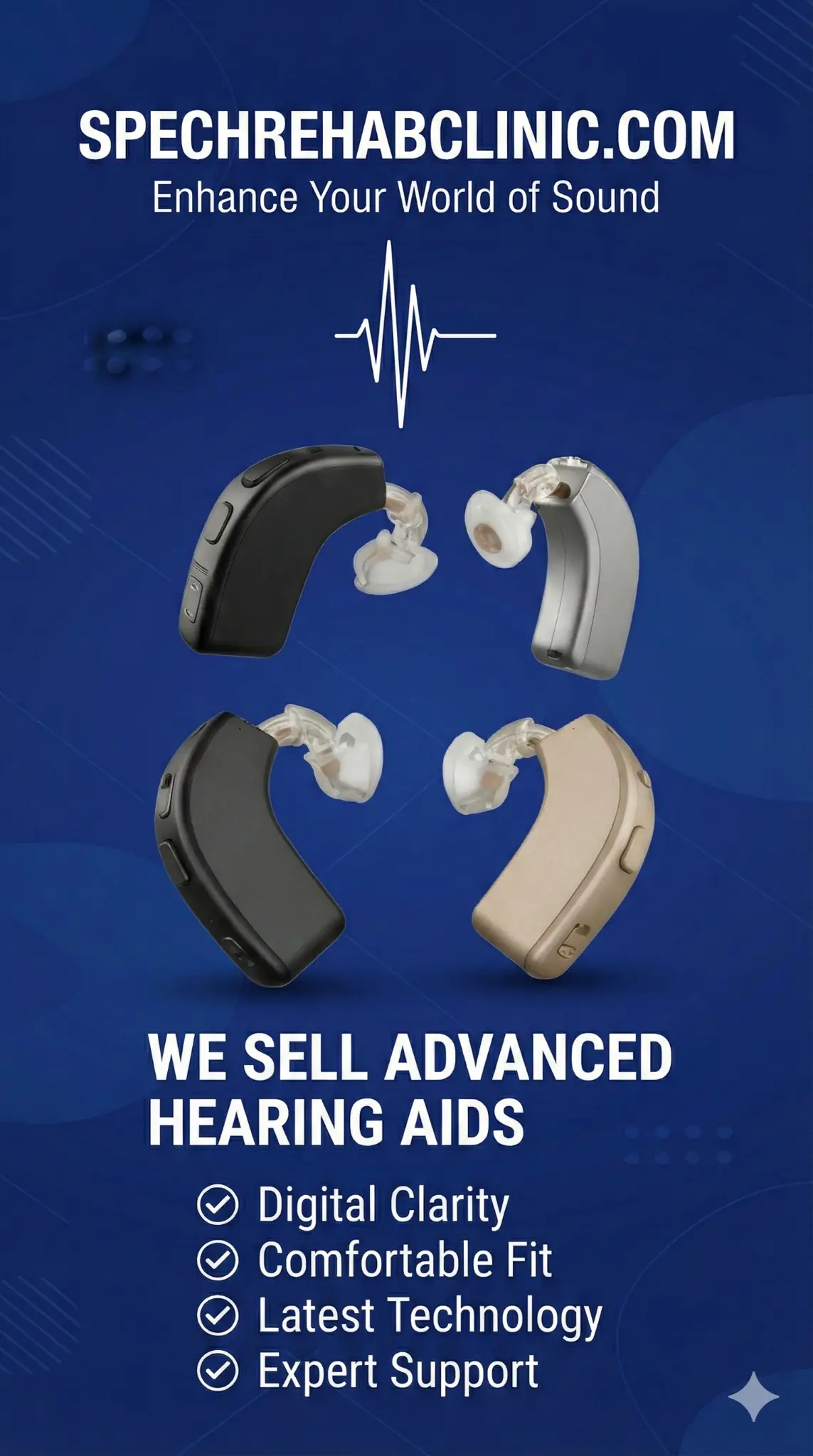
At Speech Rehab Clinic, our hearing and audiology services help people of all ages from children with developmental delays to adults with age related hearing loss or ear conditions. Whether you need a basic hearing test, hearing aid fitting, or auditory training, we offer clinic, home, and hospital based services tailored to your comfort.
95% Patient Satisfaction Rate
Our clients consistently report positive outcomes and experiences.
Our certified audiologists start with a detailed hearing assessment that reviews your hearing ability, lifestyle, and daily communication needs. Based on the results, we create a personal hearing plan using modern tools, hearing aid technology, and communication strategies. Each session aims to bring clarity and help you reconnect with others.
We manage various hearing conditions, including hearing loss, tinnitus, auditory processing disorders, hearing aid fitting, and earwax issues. Every plan is made for your needs to ensure comfort and lasting benefit.
Hearing care is not just about devices. It is about rebuilding confidence and improving daily life. Whether you are new to hearing aids or need ongoing support, we are here for you.
🗓️Book your hearing test or hearing aid consultation today at our clinic, your home, or a hospital. Take the first step toward clear hearing and confident communication.
• Hearing CONDITIONS WE TREAT
Identify what’s affecting your hearing and regain clarity with expert audiology care
Otitis Media with Effusion (Glue Ear)
Fluid or “mucus” behind the eardrum that makes a child hear as if everything is muffled; common in toddlers and often affects speech and school listening.
Acute Otitis Media
(Middle Ear Infection)
Ear infection that can cause pain, fever and temporary hearing drop; repeated infections can lead to lasting problems if not treated.
Congenital Hearing Loss (Present at Birth)
Hearing loss babies are born with; may be genetic or related to birth complications, early screening and intervention are very important for speech development.
Sensorineural Hearing Loss (Inner Ear / Nerve Damage)
Permanent hearing loss caused by inner-ear damage or nerve problems; children with this usually need long-term support like hearing aids or further specialist care.
Auditory Neuropathy Spectrum Disorder (ANSD)
The ear detects sounds but the brain has trouble receiving them, a child may hear noises but not understand speech clearly; needs specialist tests and tailored management.
Auditory Processing Disorder (APD)
Hearing tests may look normal, but the brain struggles to make sense of sounds, child may seem distracted or “not listening,” especially in noisy rooms.
Noise-Induced Hearing Loss (NIHL) in Children
Prolonged exposure to loud sounds (toy guns, loud music, heavy traffic) can slowly damage hearing, increasingly relevant in urban Pakistani settings
Tinnitus (Ringing or Buzzing in the Ear)
Child hears buzzing or ringing sounds without an outside source; can be caused by infections, earwax, or inner-ear sensitivity and needs assessment
Earwax Blockage & Foreign Body / Ear Canal Problems
Child hears buzzing or ringing sounds without an outside source; can be caused by infections, earwax, or inner-ear sensitivity and needs assessment
Sudden Sensorineural Hearing Loss (Rapid Onset)
Sudden drop in hearing over hours or days, medical urgency: early evaluation can improve chances of recovery
Sudden Sensorineural Hearing Loss (Rapid Onset)
Sudden drop in hearing over hours or days, medical urgency: early evaluation can improve chances of recovery
Hearing Tests & Diagnostic Assessments
Pure Tone Audiometry
Speech Audiometry
Tympanometry (Middle Ear Analysis)
Otoacoustic Emissions (OAE)
Auditory Brainstem Response
Acoustic Reflex Test (ART)
Auditory Processing Assessment
Tuning Fork Tests (Rinne & Weber)
Visual Reinforcement Audiometry
Conditioned Play Audiometry


Pure Tone Audiometry
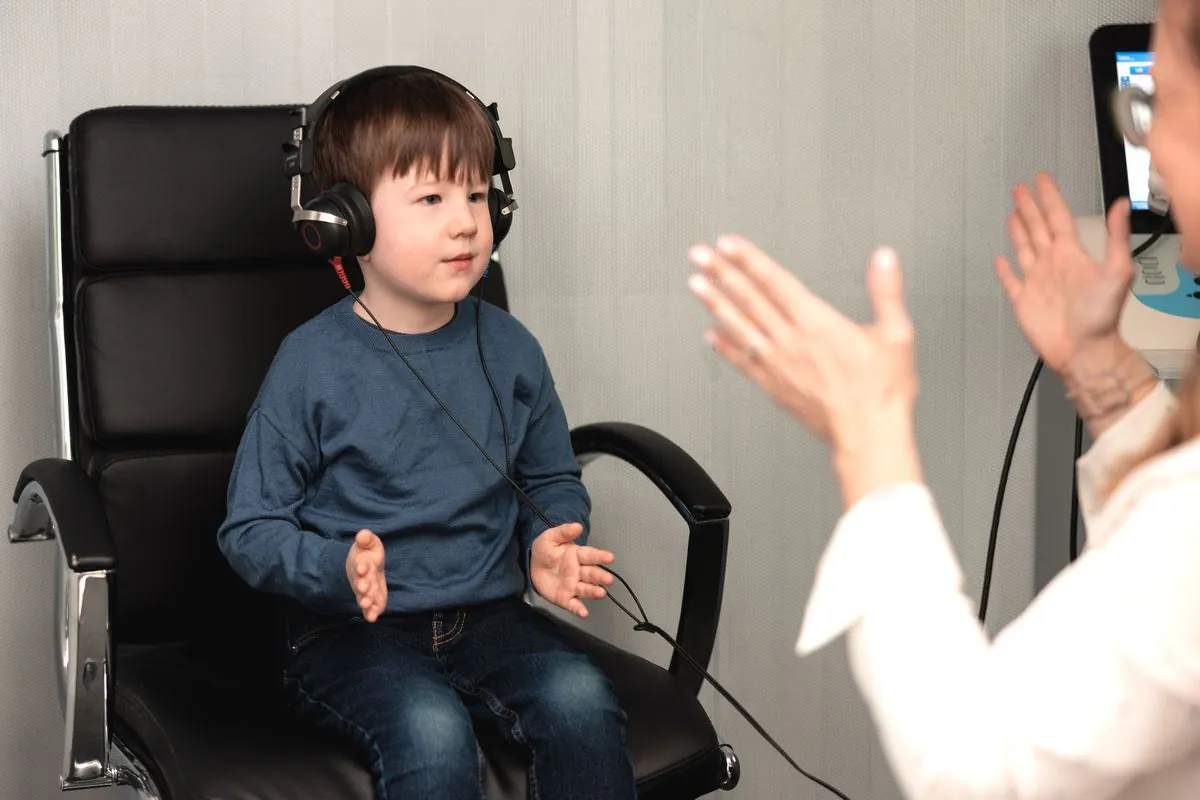
Speech Audiometry

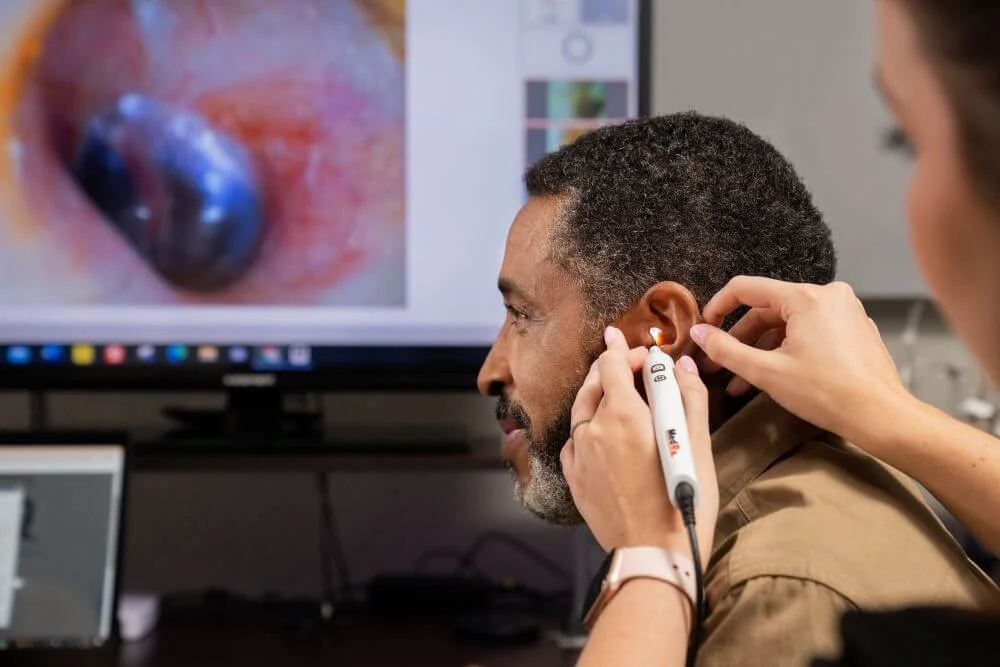
Tympanometry (Middle Ear Analysis)

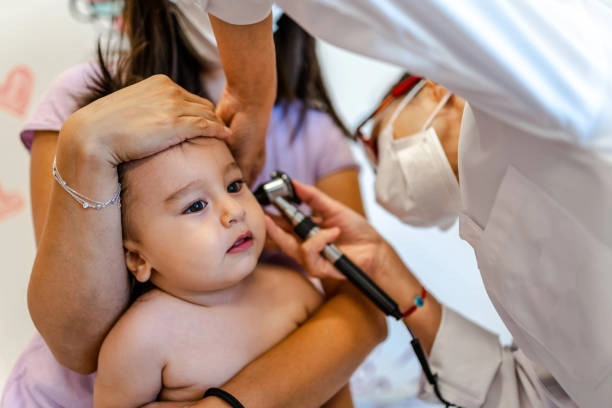
Otoacoustic Emissions (OAE)

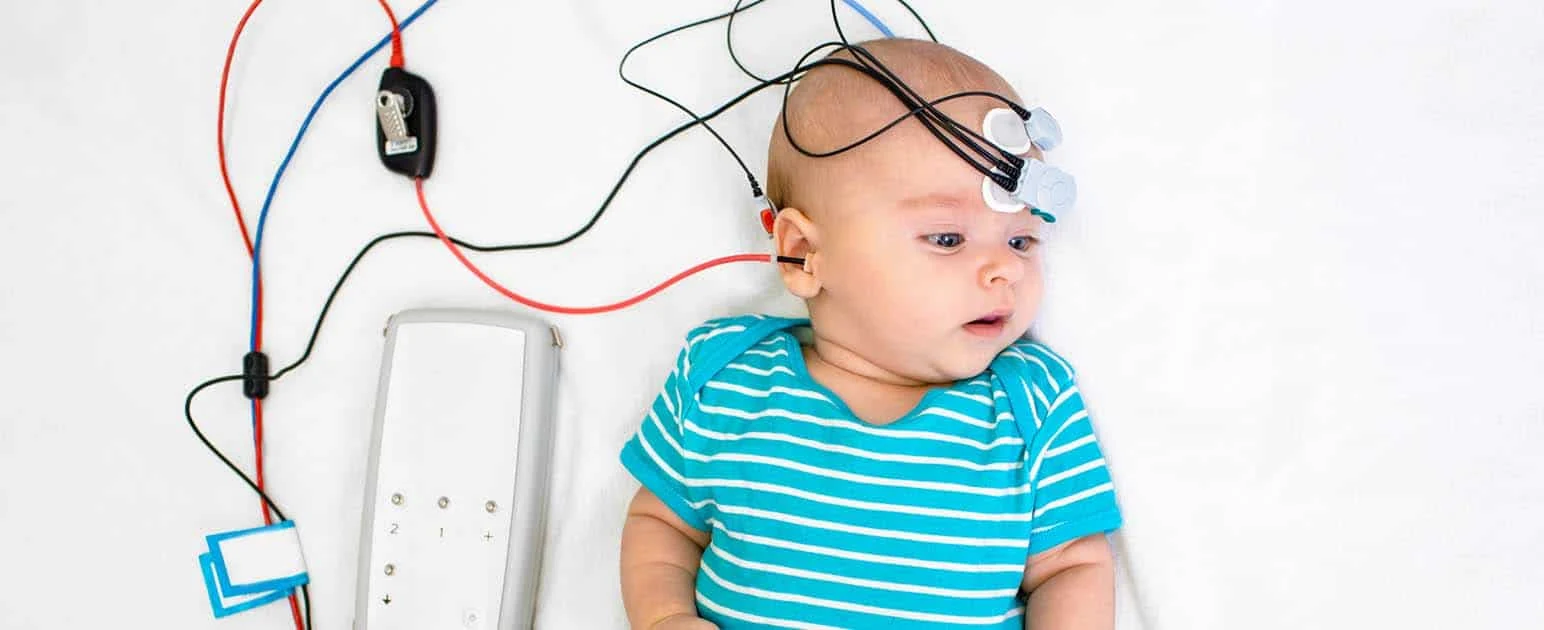
Auditory Brainstem Response (ABR)
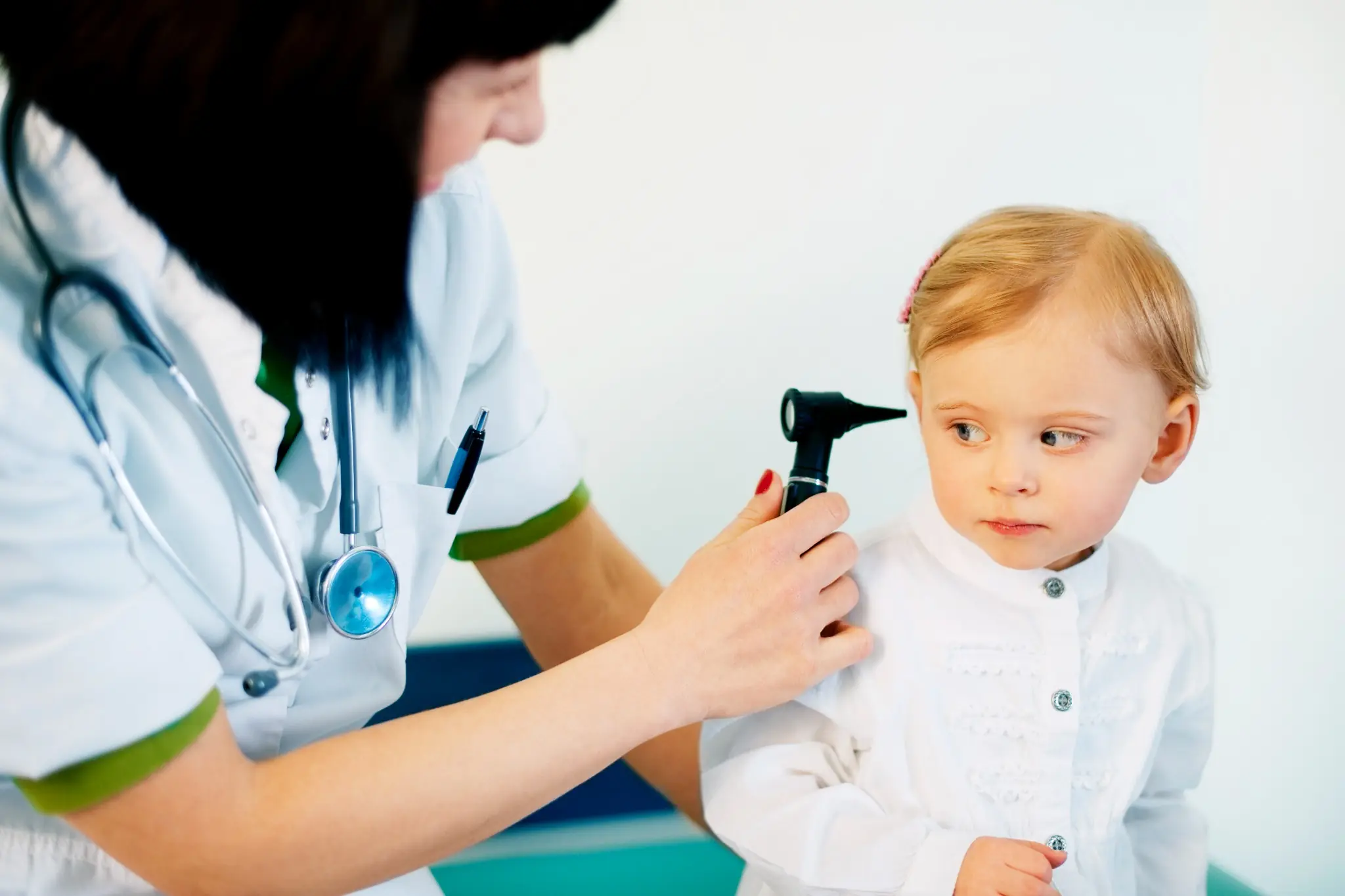
Acoustic Reflex Test (ART)

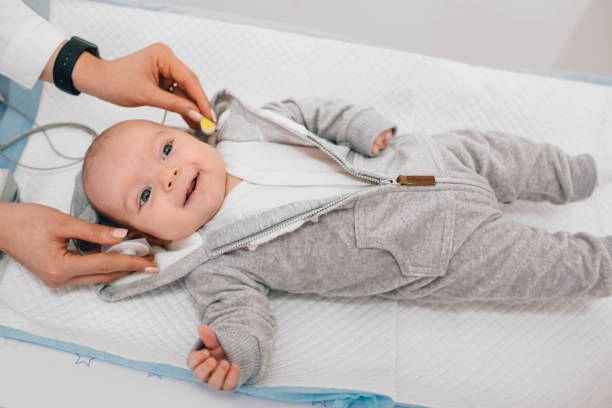
Auditory Processing Assessment

Tuning Fork Tests (Rinne & Weber)
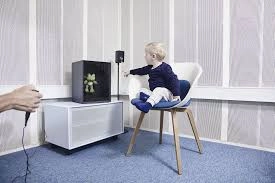
Visual Reinforcement Audiometry

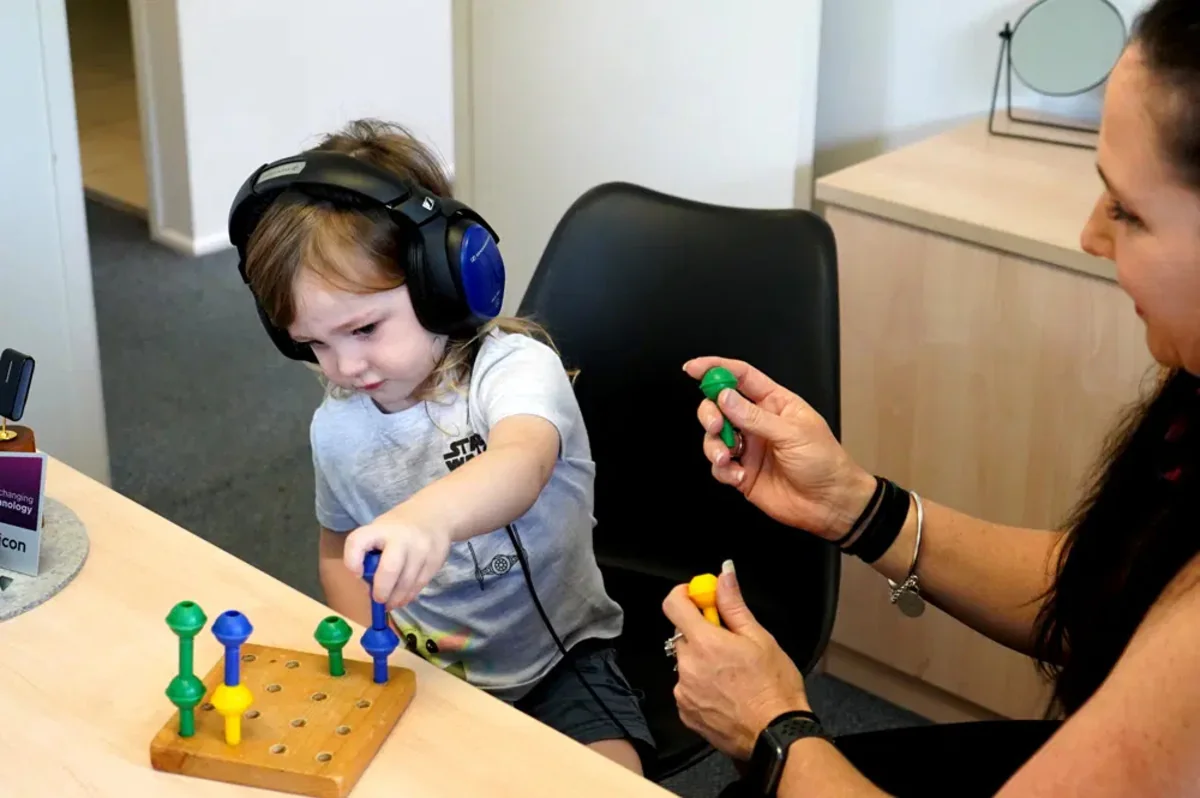
Conditioned Play Audiometry (CPA)

" Confused about what's going on? We'll figure it out together "
Not Every Hearing Challenge Lasts Forever, Progress Begins with Care
Every improvement starts with a single step. If your child often misses sounds, struggles to follow conversations, or seems unsure when spoken to, remember that progress is always possible. At Speech Rehab Clinic, our hearing specialists take time to understand each child’s unique needs, helping them communicate with clarity and confidence. You don’t have to wait for a perfect diagnosis. Sometimes the journey toward better hearing begins with that very first visit.
How We Deliver
BOOK YOUR
APPOINTMENT
We are just call away
Home Session
We provide therapy at your home in a calm, familiar space. This option suits children who feel more comfortable at home and patients who avoid travel. We guide the family during the session and share simple home practice so you keep progress going between visits in Islamabad and Rawalpindi.
Online Session
We run therapy through video call so you continue treatment from anywhere. We assess your needs, lead guided exercises, and explain the next steps in clear language. This option suits busy schedules, out of city families, and anyone who wants consistent support without coming to the clinic.
Clinic Appointment
For those who prefer a structured clinical setup, our centers in Islamabad & Rawalpindi offer professional therapy rooms, dedicated equipment, and in-person guidance from experienced therapists, ensuring precision and privacy in every session.
Hospitalized Patient Session
If you or your loved one is hospitalized, don’t let therapy stop. We provide specialized speech rehabilitation support in hospitals helping stroke patients, ICU discharges, or injury-recovering individuals regain their voice and confidence, even from the bedside.
“Even if you’re not ready to book, we understand you.”
Talk to therapist before booking. Call Us: 0336 7121307
It’s Not Just a Device, It’s the Sound of Connection.
At our Audiology Department, we understand that every sound carries meaning, whether it’s a parent’s voice, laughter, or the melody of daily life. Hearing loss affects more than just the ears; it influences confidence, emotions, and how we connect with the world.
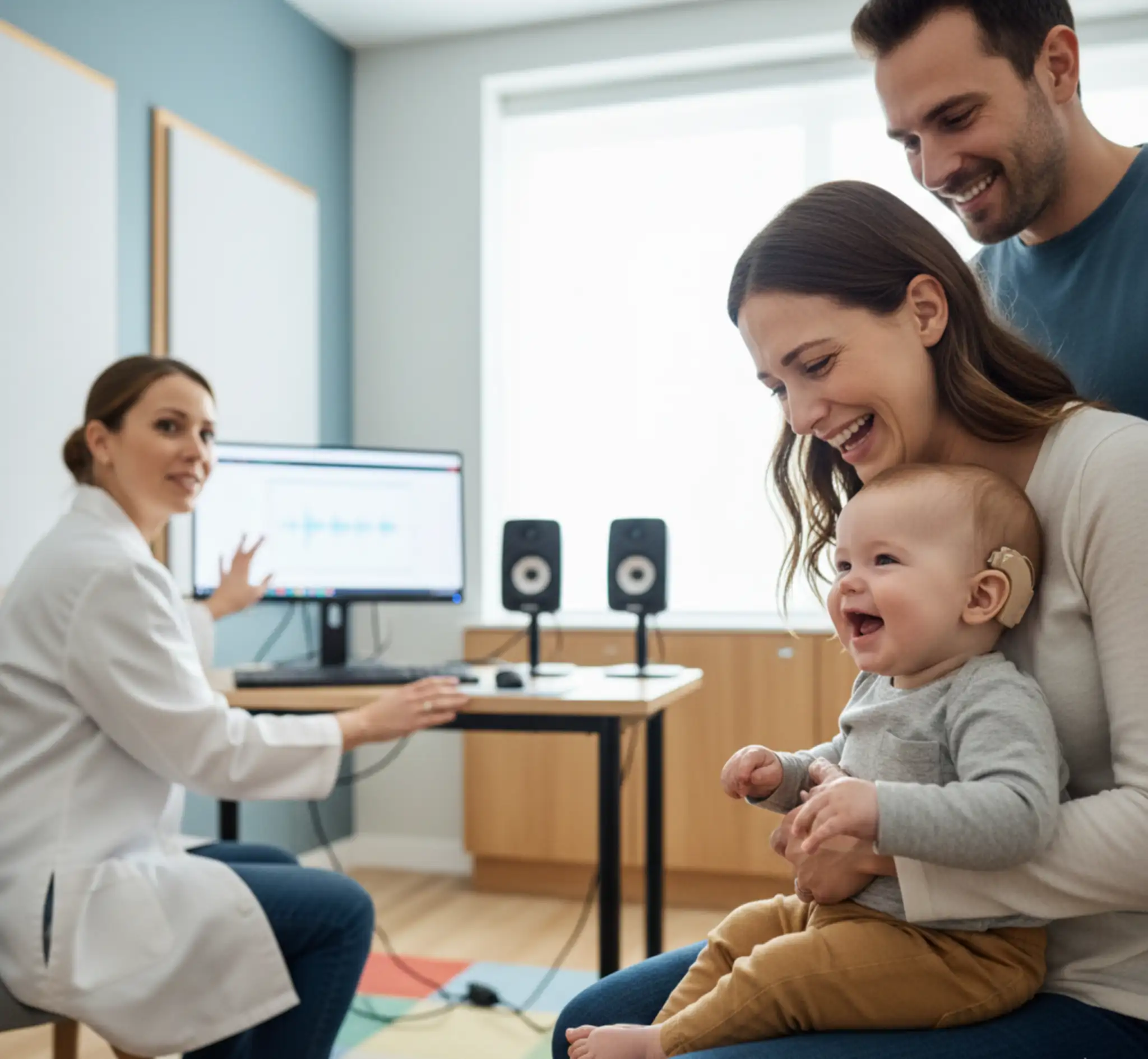
Our approach to hearing rehabilitation goes beyond devices. It is about restoring communication, rebuilding confidence, and bringing families closer again. Whether fitting a baby with their first hearing aid or helping an adult rediscover clarity, our specialists at Speech Rehab Clinic, Islamabad & Rawalpindi focus on lasting hearing improvement and emotional well-being.
- Restores clarity, confidence, and connection
- Encourages active communication and joyful living
- Supports emotional well-being and social growth
Parent's Note
“I can’t explain the joy of seeing my child respond to our voices for the first time. We were worried when he didn’t react to sounds like other kids, but the team at Speech Rehab Clinic guided us through every step. With his new hearing aid, he’s more active, responds to his name, and laughs when we talk. It feels like our home has found its sound again.”
Ayesha Malik, Mother of her 3-year-old son | Islamabad
Follow Us
Still Have Doubts?
• faqs
Your Hearing Aid questions answer with clarity
- Answers to Your Recovery Questions
What types of hearing aids are available and which one should I choose?
There are several styles: behind-the-ear (BTE), receiver-in-canal (RIC/RITE), in-the-ear (ITE), in-the-canal (ITC) and completely-in-canal (CIC). Each style has tradeoffs in sound quality, size, battery life and suitability for different degrees of hearing loss. BTE and RIC devices are flexible and work for most ages and hearing losses; smaller ITE/ITC/CIC options are more discreet but can be harder to handle and may offer fewer features. Talk to an audiologist who can match the style to your hearing test results, manual dexterity, lifestyle and budget.
How much do hearing aids cost and what are realistic price ranges in Pakistan?
Prices vary widely with technology level and brand. In Pakistan, basic models start in the low tens of thousands PKR, mid-range devices sit in the mid tens to low hundreds of thousands PKR, and premium or feature-rich devices can cost significantly more per ear. Expect an entry level range, a mid range, and a premium tier; fitting, follow-ups and warranty should be included in the total price. Always ask the clinic for an itemized quote that lists device cost, fitting service, warranty and trial period.
Are hearing aids safe and appropriate for children? What is the process?
Yes, with proper pediatric assessment and fitting they are safe and essential for children with hearing loss. Pediatric fittings use objective measures (ABR, OAE) and behavioral assessments to determine thresholds and candidacy. A specialized pediatric audiologist provides earmold impressions, age-appropriate fittings, family counseling, and close follow-up to monitor auditory development and device function. Early fitting and consistent use improve speech and language outcomes.
How long do hearing aids last and what maintenance do they need?
Most modern hearing aids last about three to seven years depending on care, environment, and device type. Rechargeable lithium batteries in many contemporary models typically perform well for several years but will gradually lose capacity and may need service or replacement after roughly three to five years. Regular cleaning, keeping devices dry, routine clinic checkups, and avoiding exposure to earwax and moisture extend lifespan. Ask your provider about warranty, repair plans and recommended service intervals.
What should I realistically expect after getting hearing aids and how long before I notice improvement?
Most users notice clearer sounds quickly, but adapting to processed sound and improved speech understanding takes days to months. Initial sessions include programming and a period of gradual wearing while the audiologist fine-tunes settings. Realistic expectations, follow-up adjustments, auditory training and patience help outcomes. If speech understanding does not improve with appropriate fitting, re-evaluation is needed to check for medical issues, device function, or auditory processing factors.