Expert Speech Therapy Home Sessions Available Pediatric & Adult Care 24/7 Appointment Booking
- info@speechrehabclinic.com
- Huma Plaza, Blue Area, Islamabad
- Call Us:
- +92 336 7121307

Behavioral Problems in Special Children
Understanding Through Compassion and Strategy
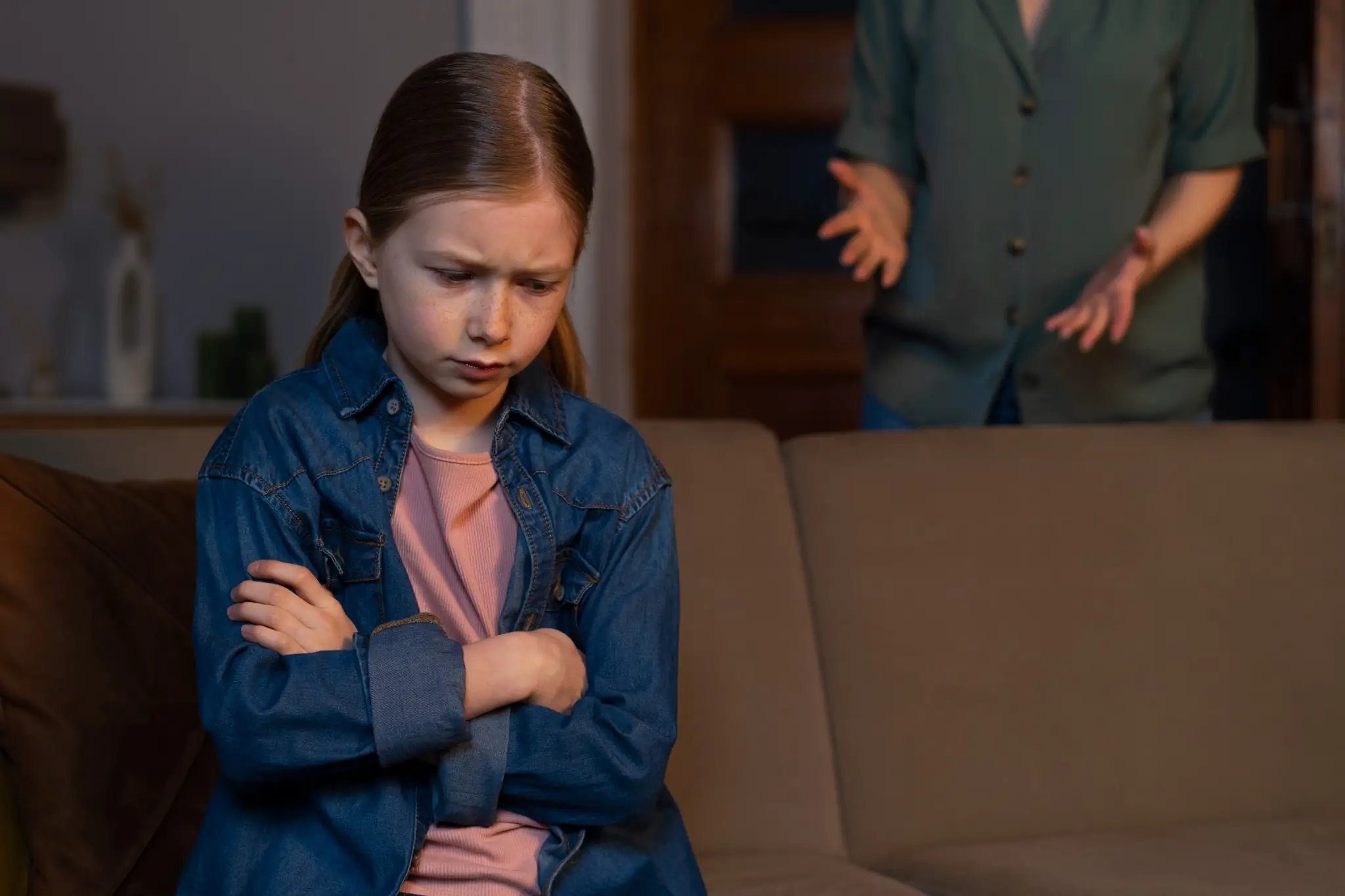
Children with developmental, intellectual, or neurological differences often face unique challenges in understanding, expressing, and regulating their emotions. As a result, they may exhibit behavioral issues that are not signs of defiance but rather a response to unmet needs or environmental stressors.
Common behavior concerns may include:
- Aggression or self injurious behaviors
- Tantrums, meltdowns, or emotional outbursts
- Repetitive actions or fixation on routines
- Refusal to follow instructions or complete tasks
- Withdrawal or avoidance of social interaction
These behaviors can arise due to:
- Communication difficulties (unable to express pain, needs, or emotions)
- Sensory sensitivities (to sound, light, texture)
- Anxiety or cognitive overload
- Difficulty adjusting to change
- Lack of social understanding or problem solving skills
Therapeutic support can help by:
- Assessing the root causes of behaviors
- Teaching alternative communication methods (e.g., visual aids, AAC)
- Using behavior therapy (e.g., Applied Behavior Analysis or CBT)
- Involving parents in consistent behavior strategies
- Creating structured routines and supportive learning environments
The goal is not to “eliminate” behavior but to understand and guide the child toward better coping skills, emotional expression, and independence.